
How to Stop People Pleasing When You Want to Say No

There’s a part of me that has worked tirelessly for as long as I can remember. It watches closely. It anticipates what others might need. It says yes when I want to say no. It smiles when I feel like crying. It tries so hard to make sure everyone is happy with me—because deep down, […]
What Your Feelings Are Trying to Tell You
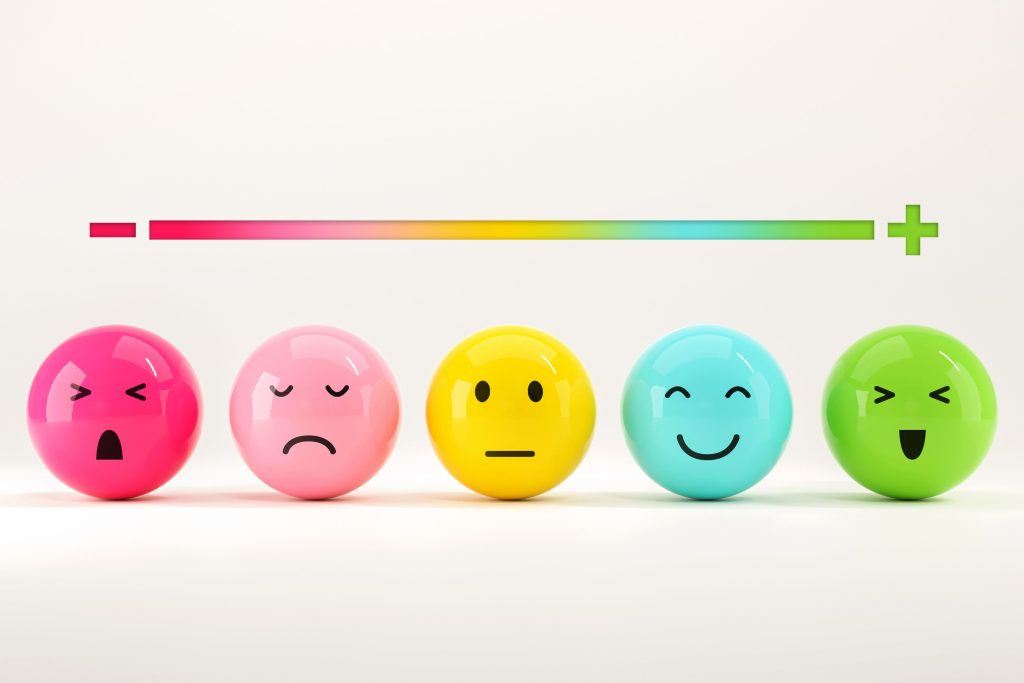
The Problem with Labeling Emotions We live in a world that loves to label feelings. From a young age, we’re taught to see emotions as either “positive” or “negative.” Joy, excitement, gratitude? Good. Anger, sadness, fear? Bad. These labels shape how we view our inner world—and they place a limitation on how we experience our […]
How to Feel Safe in Your Body After Trauma: A Somatic and IFS Approach

When we talk about healing from trauma, we often focus on processing painful memories, reshaping narratives, or creating healthier relationships—and while all of that is important, there’s one foundational piece that often goes overlooked: feeling safe in the body. For many trauma survivors, the body has not always felt like a safe place to be. […]
Overwhelm: The Push, the Freeze, and the Crushing Weight
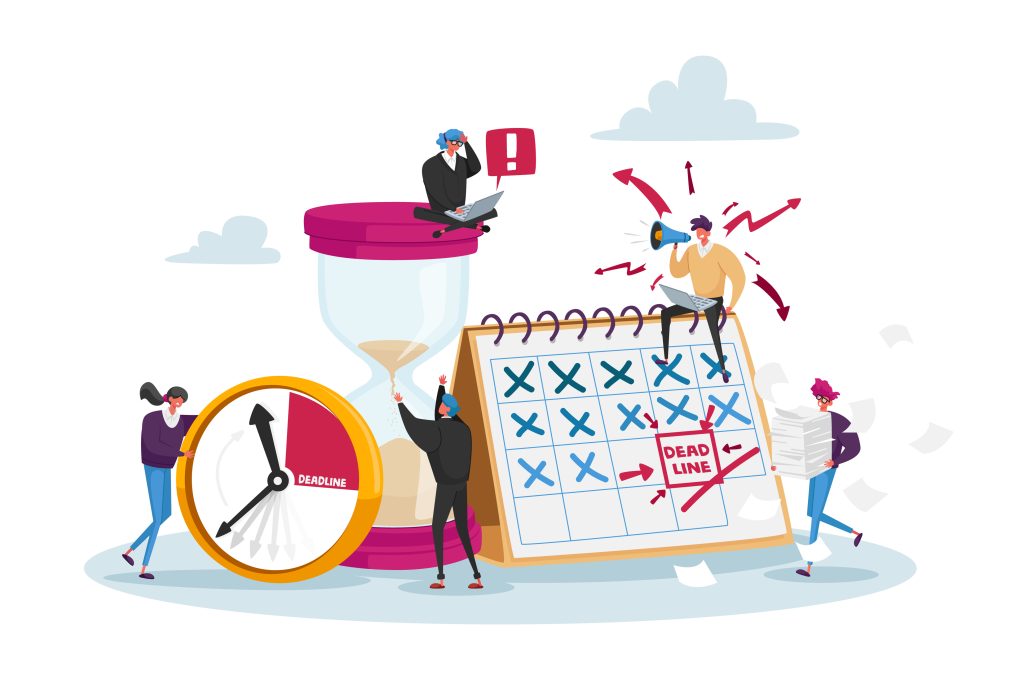
The Experience of Overwhelm I know overwhelm well. It’s not just a clinical concept or something I help my clients navigate—it’s something I experience, too. Like so many of us, I have parts that push me to keep going, to check one more thing off the list, to be productive even when my body and […]
Feeling Stuck? How IFS Therapy Can Help You Move Forward

Have you ever felt like you’re spinning your wheels but not getting anywhere? Like no matter how much effort you put in, you’re still in the same place? Feeling stuck can be frustrating, confusing, and even disheartening. It often comes with a sense of helplessness, as if something is holding you back, yet you can’t […]
Reconnecting with Yourself: Spring as a Season for Personal Growth

As the seasons shift and the natural world begins to bloom, spring offers us more than just longer days and warmer air. It gives us a gentle invitation to pause, reflect, and return to ourselves. At Connect Heal Grow, we see this season as an opportunity for intentional personal growth and self-awareness. Just as nature […]
People-Pleasing and Mental Health: Are You Really Pleasing Anyone?

People-pleasing is a common but often misunderstood behavior. It’s frequently linked to anxiety, low self-esteem, and early life experiences. In Internal Family Systems (IFS) therapy, people-pleasing is viewed as a protective part—a part that works tirelessly to ensure safety, connection, and acceptance. This part often emerges to help us navigate relationships where approval felt tied […]
Unlocking Emotional Wisdom: How IFS Guides Inner Healing

As human beings, we are inherently emotional creatures. Our emotions are central to how we navigate the world, connect with others, and understand ourselves. Yet, in many ways, society teaches us to suppress, dismiss, or ignore certain emotions. From a young age, we learn that anger, sadness, or fear may be “negative” or “undesirable,” while […]
Befriending Depression: A Compassionate Approach

Depression is a profoundly human experience — a complex interplay of emotions, thoughts, and physical sensations that can leave us feeling heavy, stuck, or broken. For many, it is a burden they desperately want to rid themselves of, to find relief from depression, a shadow they battle against with every ounce of their energy. But […]
Anxiety as a Symptom of a Deeper Misalignment, Not the Problem
Anxiety is often seen as the problem—a mental health condition to be diagnosed, managed, and treated. While this perspective has merit and can be empowering for some, it risks overshadowing an important truth: anxiety is frequently a symptom rather than the root issue. By addressing anxiety as an isolated entity, we may overlook the deeper […]