
Therapy for relationship struggles and attachment wounds for adults in Calgary and NW Calgary
You may carry a quiet belief that something about you is fundamentally wrong—that if people really knew you, they would leave. That needing too much, feeling too deeply, or showing your true self will cost you connection.
So you adapt.
You become easy. Invisible. Capable. Self-sufficient. Or endlessly accommodating. You learn to stay quiet about your needs, to manage on your own, to leave before you can be left, or to hold tightly and hope you won’t be abandoned.
These are not flaws in your character.
They are the marks of a nervous system that learned how to survive in relationships where safety, consistency, or attunement were uncertain.
At Connect Heal Grow Psychology, I offer therapy for relational wounds and attachment healing in Calgary. My work is grounded in compassion, pacing, and deep respect for your inner world. It is trauma-informed, body-aware, and guided by an understanding that the ways you learned to relate once made sense.
Relational wounds often sound like:
“Nobody will ever love me as I am.”
“If they really knew me, they would leave.”
“I shouldn’t need this much.”
“It’s safer not to want.”
You may notice this showing up as:
Difficulty trusting others
Losing yourself in relationships
Pulling away when closeness grows
Over-giving or over-functioning
Struggling to know what you need
Knowing what you need but feeling it’s too risky to ask
For many people, the pain is not only what happened—it’s what was missing. Being seen. Being soothed. Being met in moments of fear or vulnerability. When those experiences are inconsistent or unavailable, your system learns that connection is fragile and that it is safer to hide parts of yourself.
Relational wounds do not mean there is something wrong with you. They mean you learned, in very real ways, that being fully yourself did not feel safe. Your nervous system adapted. Parts of you learned to stay small, stay quiet, stay strong, or stay guarded in order to preserve connection. Those parts are not the problem. They are evidence of resilience. Therapy is not about forcing you to “be more confident” or “just communicate better.” It is about creating the safety needed for the parts of you that learned to hide to finally rest.
Relational patterns are not habits you can simply think your way out of. They are survival strategies anchored to your sense of safety in the world. Anything connected to belonging, love, or attachment will naturally feel risky to change.
In therapy, we honour that.
We don’t rush the parts of you that are afraid. We meet them with compassion and curiosity. We listen for what they learned, what they protect, and what they fear might happen if they were to soften.
There is a quiet understanding we hold gently in this work:
When you are in a pattern of protection, you cannot also be in a pattern of connection. Your nervous system can only do one at a time.
And maybe, for now, that is okay.
Those protective patterns formed for a reason. They kept you safe when connection felt uncertain or dangerous. We don’t try to rush you out of them. Instead, we create the conditions where your system can begin to sense that connection no longer requires self-abandonment or vigilance.
I work from a trauma-informed, somatic, and Internal Family Systems (IFS)-informed perspective. Together, we:
Attachment wounds aren’t just stories you tell—they’re sensations your body remembers. We explore how fear, longing, and vigilance show up in your nervous system so these patterns begin to feel understandable rather than personal or flawed. Your experiences start to make sense in the context of what you lived.
When connection has felt unsafe, your system learns to brace for what might happen next. Together, we gently strengthen your capacity to be here, now—so your body can begin to sense that this moment is different from the past. Presence grows as safety grows..
The parts of you that withdraw, please, or stay guarded are trying to keep you safe. We meet them with curiosity and respect, learning what they fear and what they carry. As they feel less alone, they no longer have to work so hard—and space opens for genuine connection..
Change happens not through pressure, but through understanding—when your system begins to feel that you no longer have to choose between being yourself and being loved.
Relational wounds formed in relationship. Healing does too.
Therapy becomes a place where your system can experience being met, held, and understood without having to perform, hide, or disappear. Over time, something inside begins to learn:
I can be here. I can be seen. I don’t have to earn my place.
In the early stages of this work, attending sessions regularly helps your nervous system build that sense of safety and continuity. This isn’t about doing therapy “right.” It’s about giving your system enough consistency to begin trusting that this space—and this relationship—can hold you.
No. This work focuses on your inner experience in relationships—past and present. Many people choose attachment-focused therapy whether or not they are currently in a relationship. The goal is to help your nervous system understand closeness, safety, and connection from the inside out.
Attachment therapy explores how early relational experiences shaped the way you experience closeness, trust, and safety with others. Rather than teaching surface-level “communication skills,” this work helps your nervous system learn that connection can be steady, mutual, and safe.
IFS understands that different parts of you hold different roles in relationships—some protect you by staying guarded, others by pleasing, withdrawing, or staying in control. These parts formed for a reason. In therapy, we don’t try to get rid of them. We build a compassionate relationship with them so they no longer have to work so hard. As your inner system becomes safer and more connected, your outer relationships naturally begin to change.
Accordion Content
That experience matters. Being hurt in a space that was meant to be safe can leave a lasting imprint and make opening up again feel risky. Relationship wounds are often created in relationship—and they are most gently healed in relationship too.
In our work together, we move slowly. We listen to the parts of you that learned to be cautious. We don’t rush trust or expect you to open before you are ready. Your nervous system sets the pace. If something doesn’t feel right, we talk about it. Repair is part of the work.
You don’t have to arrive already trusting. You just have to arrive as you are.
You’re not alone. Many people learned early on to focus on others rather than themselves. Therapy is a place where your needs can be discovered gently, over time—without pressure to have answers right away.
Yes. Repeated patterns are not failures—they are familiar pathways your nervous system learned to walk in order to stay safe. Therapy helps your system recognize that the present is different from the past, opening space for new choices to become possible.
Yes. My office is located in NW Calgary and is easily accessible for clients from communities such as Brentwood, Varsity, Dalhousie, Tuscany, Rocky Ridge, Arbour Lake, and surrounding areas. I also offer virtual sessions for clients across Alberta.
If you carry a quiet belief that you are unlovable, too much, or not enough, you are not alone—and you are not broken.
If you’re curious about relational wounds or attachment healing in Calgary, I invite you to book a complimentary 15-minute connection call. We can explore what has been shaping your relationships and whether working together feels like the right fit.
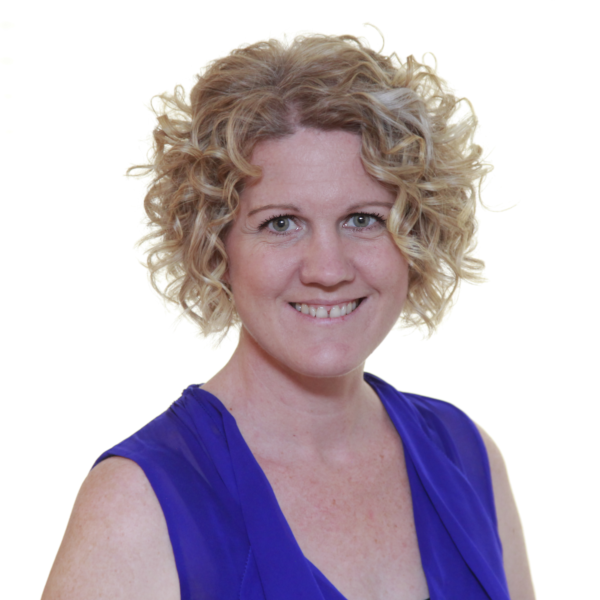
Anya Stang, Registered Psychologist